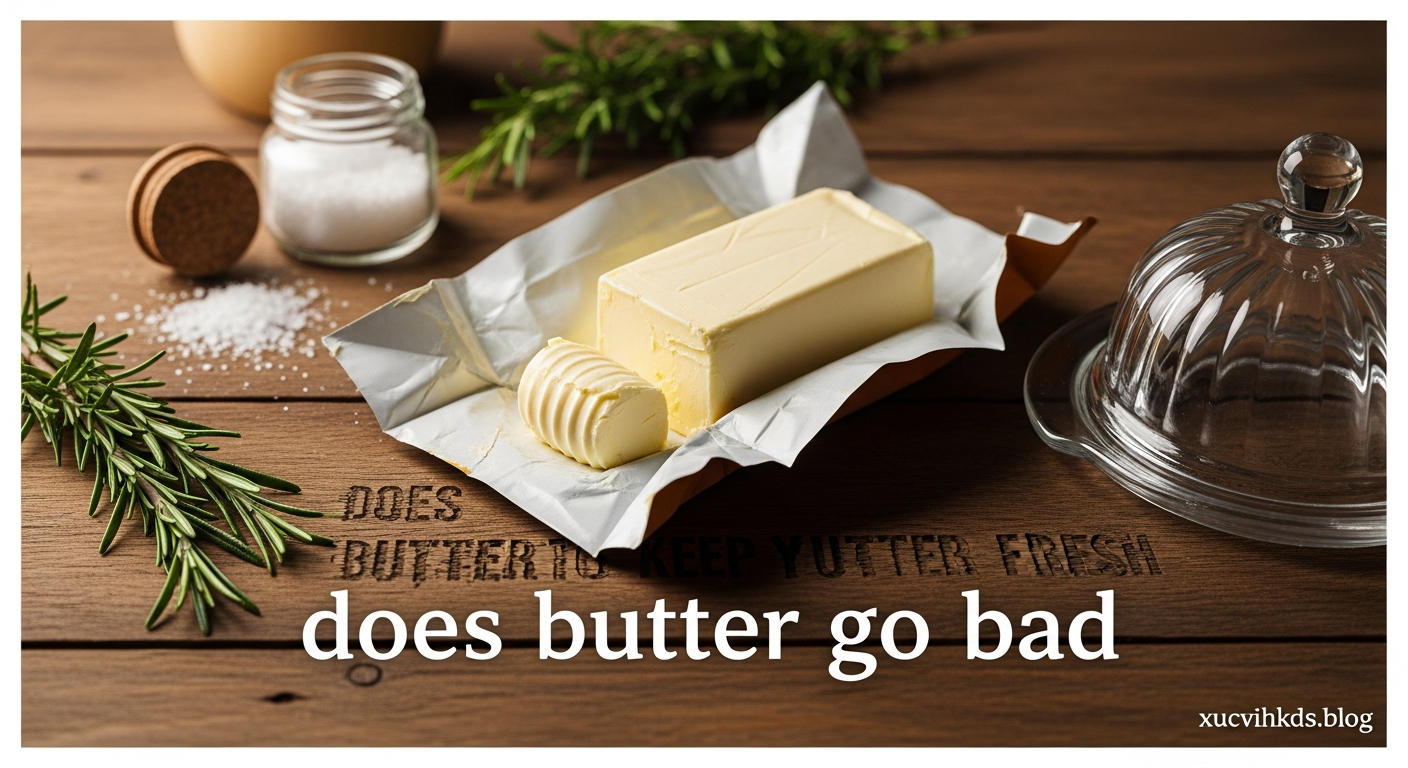
Does butter go bad? This is a question many people ask because butter is such a common ingredient in kitchens. Butter can look, taste, and smell fine, but over time, it can spoil. Knowing how long butter lasts and how to store it correctly can save you money and keep your food safe. Butter is made from cream and sometimes salt is added. Salt helps it last longer, but even salted butter can go bad if it is kept in the wrong way. Many people store butter at room temperature thinking it is okay, but heat, air, and light can make butter go bad faster. Understanding the signs of spoiled butter and the best ways to store it can help you avoid wasting food and getting sick from eating old butter.
Does butter go bad depends on several factors like temperature, packaging, and whether it is salted or unsalted. Butter kept in the fridge lasts longer than butter kept outside. Unsalted butter usually has a shorter shelf life because salt slows down bacterial growth. If you leave butter in the kitchen for a few days, it may be fine, but over time, it can develop an off smell, taste sour, or become hard and crumbly. Storing butter in its original wrapper or an airtight container can prevent it from absorbing smells from other foods in the fridge. Some people even freeze butter to make it last for months. Freezing butter does not change its taste, texture, or quality if done correctly. Checking the expiration date, using your senses, and storing butter properly are key steps to making sure it stays fresh and safe for your family. Butter can also go bad if it is exposed to light and air, which causes it to oxidize and develop a rancid taste. It is important to always use clean utensils when cutting butter, as introducing crumbs or other food particles can make it spoil faster.
What Is Butter and How Does It Go Bad?
Butter is a soft, creamy food made from milk or cream. People use it in cooking, baking, and spreading on bread. Butter has fat, water, and sometimes salt. Butter can go bad over time if it is not stored properly. Bad butter may taste sour or smell strange. Heat, air, and light can make butter go bad faster. Unsalted butter usually goes bad faster than salted butter because salt helps to preserve it. Using dirty utensils can also make butter spoil. Even if butter looks fine, it might have tiny bacteria that can make it unsafe. Learning how butter goes bad helps people keep it fresh and safe for eating.
Does Butter Go Bad Faster at Room Temperature?
Butter can stay out at room temperature for a short time, but it can go bad faster than in the fridge. Heat makes butter melt and allows bacteria to grow quickly. Salted butter can stay out a bit longer than unsalted butter. If butter is left out for days or in a hot kitchen, it can taste sour and look oily or dark. Butter should be kept in a cool place and in a container to slow spoilage. Using butter quickly after taking it out can help keep it fresh. Proper storage at room temperature is okay for a few hours, but long-term storage should always be in the fridge.
Signs to Look for When Butter Goes Bad
Butter can go bad even if it looks normal. One sign is a sour or bitter smell. Good butter should smell fresh and creamy. Another sign is a change in color. If it turns darker yellow, brown, or has spots, it may be bad. Butter can also taste off or strange. Mold can grow on butter if it is left uncovered. Sometimes it feels hard, crumbly, or oily, which means it is not fresh. Always check butter before using it. Smell, taste, and appearance are the easiest ways to know if butter is safe. Spotting bad butter early helps avoid wasting food or getting sick.
How Long Does Salted and Unsalted Butter Last?
Salted butter usually lasts longer than unsalted butter. In the fridge, salted butter can last up to three months, while unsalted butter may last only one month. Butter can also last longer in the freezer, up to six months or more. The expiration date is a good guide, but storage matters more. Keeping butter in its wrapper or airtight container helps it stay fresh. Buying only what you need helps prevent spoilage. Using clean knives and spoons also keeps butter safe. Understanding the difference between salted and unsalted butter helps people know how long they can safely use it in cooking or baking.
Does Butter Go Bad in the Freezer?
Freezing butter is a great way to make it last a long time. Butter can stay fresh in the freezer for six to twelve months without losing taste. Wrap it tightly in foil or put it in a freezer-safe container to protect it from air. Freezing does not change butter’s flavor or texture if done correctly. When you want to use it, take it out and let it thaw in the fridge. Avoid thawing butter at room temperature for too long, because it can spoil faster. Freezing is especially helpful if you buy butter in bulk or do not use it quickly. Proper freezing keeps butter safe and tasty.
Tips to Store Butter and Keep It Fresh Longer
Keeping butter fresh is easy if you follow a few tips. Always store butter in the fridge or freezer, depending on how soon you will use it. Keep it in its wrapper or an airtight container to avoid absorbing smells. Avoid leaving butter out for long periods. Use clean utensils every time you cut or scoop butter. Salted butter lasts longer than unsalted, so choose the type based on how long you plan to keep it. Freezing butter in portions can help use it little by little. Check butter regularly for smell, taste, or color changes. Following these tips makes butter last longer and stay safe to eat.
Can Butter Smell or Taste Bad Before It Spoils
Butter can start to smell or taste bad even before it is fully spoiled. If butter smells sour, rancid, or like metal, it may not be safe. Taste a tiny piece to check for bitterness or off-flavors. Fresh butter should taste creamy, mild, and slightly sweet. Changes in smell or taste are early signs of spoilage, even if it looks normal. Always trust your senses. Using butter that smells or tastes off can make food unpleasant or cause stomach problems. Smelling and tasting are simple ways to know if butter is still good for cooking, baking, or spreading.
Does Butter Go Bad if Exposed to Light and Air
Butter can go bad faster if it is exposed to light and air. Light can make fats in butter break down and turn rancid. Air can cause oxidation, which makes butter taste bad. This is why butter should be kept in its wrapper, a butter dish with a cover, or an airtight container. Avoid leaving butter uncovered on the counter for hours. Even short exposure to light and air can affect flavor and freshness. Storing butter properly protects it from these problems. Keeping butter safe ensures that your meals taste great and helps avoid wasting food.
Conclusion
Butter is delicious and useful in many foods. Knowing how to store it is very important. Salted butter lasts longer than unsalted, but all butter can go bad if not stored correctly. Keep butter in the fridge or freezer, and always use clean utensils. Check butter with your eyes, nose, and taste before using it. Avoid leaving it out in heat, light, or air. Freezing butter is a smart way to keep it fresh for months. Proper storage helps butter stay safe, tasty, and creamy. By following these simple tips, everyone can enjoy fresh butter every day. Taking care of butter is easy and prevents waste. Always store and check butter to keep it at its best.
FAQs
Q1: How can I tell if butter is spoiled?
You can tell by smell, taste, or color. Sour smell, bitter taste, or dark spots mean it is bad.
Q2: How long does butter last in the fridge?
Salted butter lasts about 3 months, unsalted butter about 1 month in the fridge.
Q3: Can I freeze butter?
Yes, butter can be frozen for 6–12 months if wrapped properly.