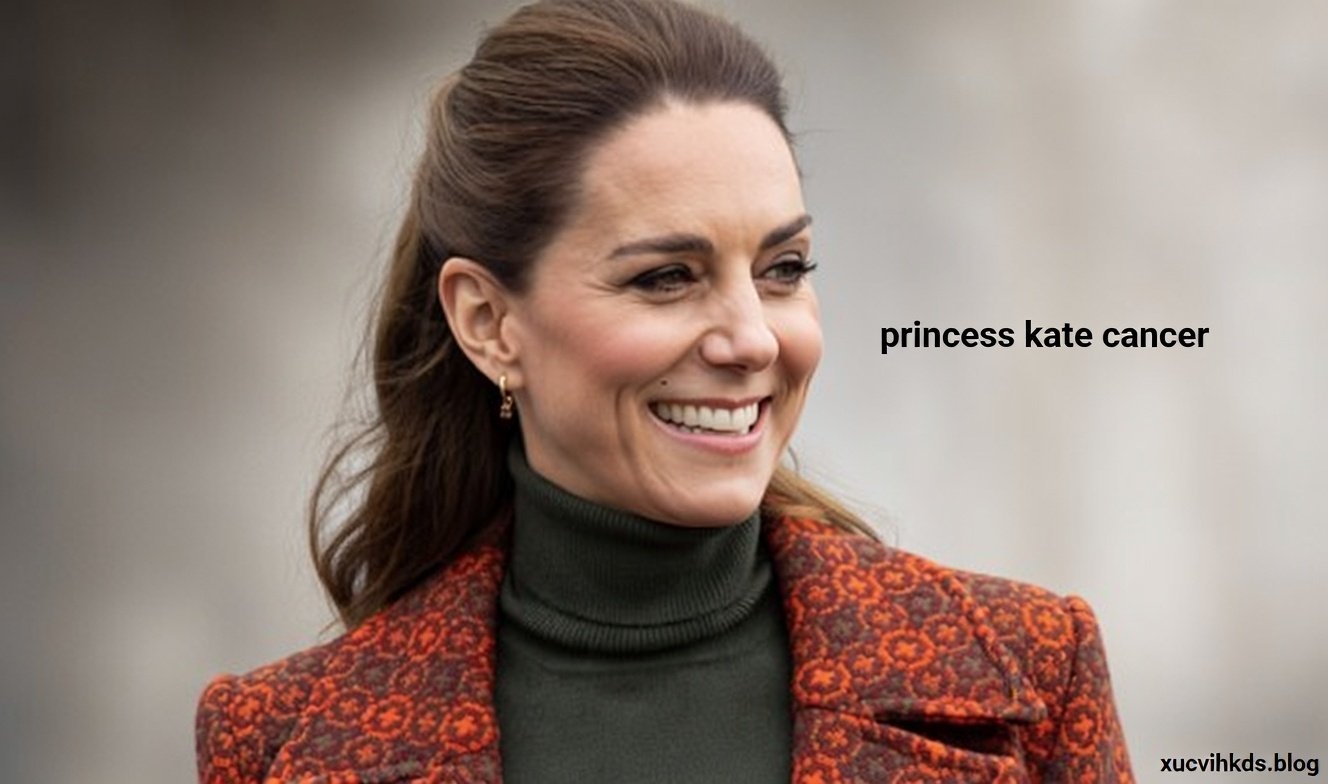
princess kate cancer Catherine, Princess of Wales — widely known as Princess Kate — has in recent years become one of the most talked‑about public figures globally not just for her royal duties, but because of her experience with cancer. Her health journey, which she has shared with candour and courage, has captured international attention and brought new focus to the realities of living with and recovering from cancer.
A Shock Diagnosis and Early Treatment
The public first learned of Kate’s health situation in March 2024, when the princess released a heartfelt video message announcing her cancer diagnosis. This came after a period of speculation about her absence from royal engagements. Initially, she had undergone major abdominal surgery in January 2024, which was described by the palace as non‑cancerous. However, follow‑up tests revealed a cancer diagnosis, which came as a “huge shock” to her and her family.
In her announcement, Kate explained that she would undergo preventative chemotherapy following the discovery. Details such as the type or stage of her cancer have never been publicly disclosed by her or Kensington Palace, a choice made to protect her privacy and that of her family.
Chemotherapy and the Road Through Treatment
Throughout 2024, Kate underwent chemotherapy, a common but often grueling form of cancer treatment. She described the experience as “incredibly tough,” acknowledging the emotional and physical challenges that come with such treatment. During this period, she stepped back from many of her royal duties to focus on her health, supporting her family and healing.
Her candidness about the difficult aspects of chemotherapy — from fatigue to emotional strain — helped demystify the experience for many and resonated with people facing similar battles. Kate’s openness was seen not as a sign of weakness, but as an example of strength and resilience.
Announcing Remission: A Moment of Hope
In January 2025, roughly a year after her diagnosis, Princess Kate shared another deeply personal moment: she announced that her cancer was in remission. This moment was widely covered by the media and welcomed around the world as a symbol of hope — not just for her personally, but for countless others dealing with cancer.
Remission means that signs and symptoms of cancer have decreased or disappeared; however, it does not necessarily mean “cancer‑free” in the strict medical sense, as cancer can sometimes return. Even so, Kate emphasized her focus on ongoing recovery and adjusting to a “new normal.”
During her emotionally charged visit to The Royal Marsden Hospital, the place where she received much of her treatment, Kate thanked the staff and patients alike — saying that the care she received was “exceptional” and expressing her gratitude for the support she and her family had been given.
Life After Treatment — Recovery and Resilience
Though the chemotherapy course ended, the journey did not simply conclude with remission. In the months that followed, Princess Kate spoke about the complex process of recovery. In mid‑2025, she shared that coming out the other side of treatment had been “really, really difficult” and that she still experienced challenges in returning to “normal” life.
Kate described the recovery phase as a “roller coaster.” She emphasized that life after cancer treatment often involves ups and downs, including fatigue, emotional fluctuation, and a period of adjustment that doesn’t necessarily show up in public appearances.
Her honesty about these struggles has been widely praised by medical advocates and the broader public alike. It underscores an important reality: even after the most intense phases of treatment, recovery is often ongoing and nuanced.
A Message to the World: You Are Not Alone
On World Cancer Day (February 4, 2026), Kate shared a powerful message in a video released through official royal channels. In it, she spoke directly to people affected by cancer — those living with it, undergoing treatment, or navigating recovery. Her message was simple yet profound: “You are not alone.”
In the video, she reflected on the toll cancer can take — not only on the patient, but on families, friends, and caregivers. Kate did not shy away from describing “moments of fear and exhaustion,” but she also spoke of “moments of strength, kindness, and profound connection.”
This message resonated widely, reaching people far beyond the UK. For many — including patients and survivors — hearing a public figure speak so openly about the emotional realities of cancer offered comfort and solidarity.
Family and Support: A Shared Journey
Princess Kate’s cancer journey has been deeply intertwined with her family life. She and her husband, Prince William, have three children: Prince George, Princess Charlotte, and Prince Louis. Throughout her illness and treatment, the couple prioritized shielding their children from unnecessary stress, choosing to manage many aspects of the situation privately.
Prince William has spoken publicly about the toll that this period has taken on their family. At various points, he described 2024 as one of the most challenging years of his life, and emphasized the importance of focusing on family unity and mutual support.
Royal experts have also noted that the shared experience appears to have fostered a sense of closeness and renewed commitment within the family. Some commentators have described the period as one in which William and Kate’s relationship strengthened, in part due to the intense emotional experience they navigated together.
Public Role and Continued Advocacy
As Princess of Wales, Kate’s duties extend beyond her personal health journey. Yet, in speaking about her cancer experience, she has also leveraged her public role to advocate for greater understanding around health issues and the importance of cancer support services.
Her engagement with cancer charities, hospitals, and patient support organizations aligns with broader efforts to destigmatize cancer, encourage early diagnosis, and share hope with those affected. This advocacy — driven by personal experience — brings an authenticity that many say amplifies her voice and influence.
In addition to her World Cancer Day message, Kate’s appearances alongside healthcare workers and patients serve as reminders of the vital work being done in cancer treatment and support — and of the shared humanity of all who face this disease.
The Broader Impact of Kate’s Cancer Story
Princess Kate’s cancer journey occurred during a time of significant public interest in health and wellness worldwide. Her announcement followed closely on other high‑profile health stories, including that of King Charles III, who has also been undergoing treatment for cancer. The twin narratives have underscored that cancer does not discriminate — affecting people from all walks of life.
By speaking about her experience with vulnerability and courage, Kate has helped many people feel seen and understood. Her message of empathy, resilience, and community has echoed across social media, medical advocacy circles, and global news outlets.
For individuals currently living with cancer or supporting loved ones through the experience, the princess’s words provide not only comfort, but also a reminder that solidarity and compassion matter.
Conclusion
Princess Kate’s story is one of personal resilience, public responsibility, and the power of shared experience. From the initial shock of diagnosis to her announcement of remission, and through the ongoing journey of recovery, she has navigated her cancer journey with openness and grace.
Her willingness to speak publicly about fear and exhaustion — alongside strength and hope — has humanized her experience and connected with people around the world. As she continues to reclaim her public life and royal duties, her message remains clear: cancer affects many, but no one has to go through it alone.